Flip the pack.
Zutalis reads the ingredient list on the back of any food and tells you how processed it is, from A to E.



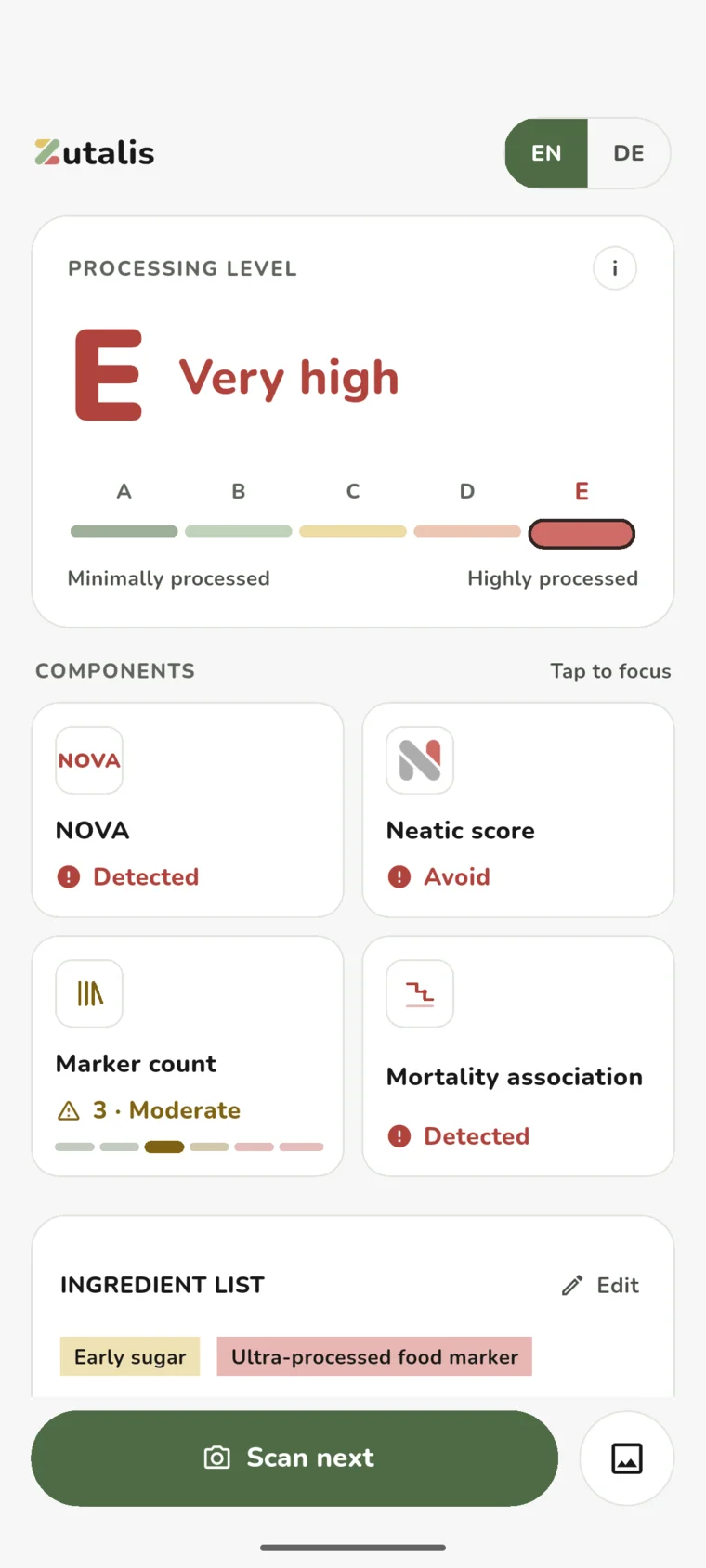
From pack to grade
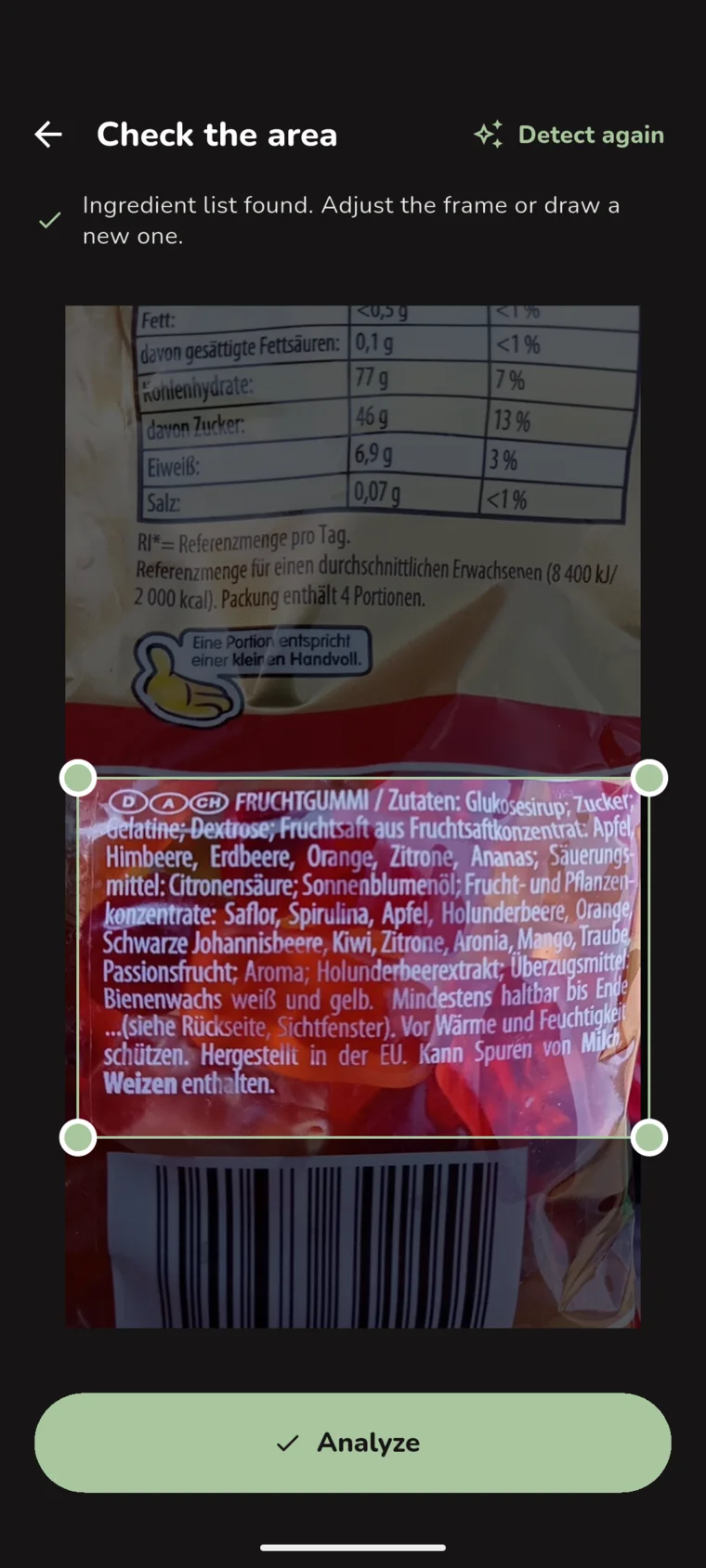
1Point at the back
Take a photo or pick one from your gallery. Zutalis finds the ingredient list and frames it.
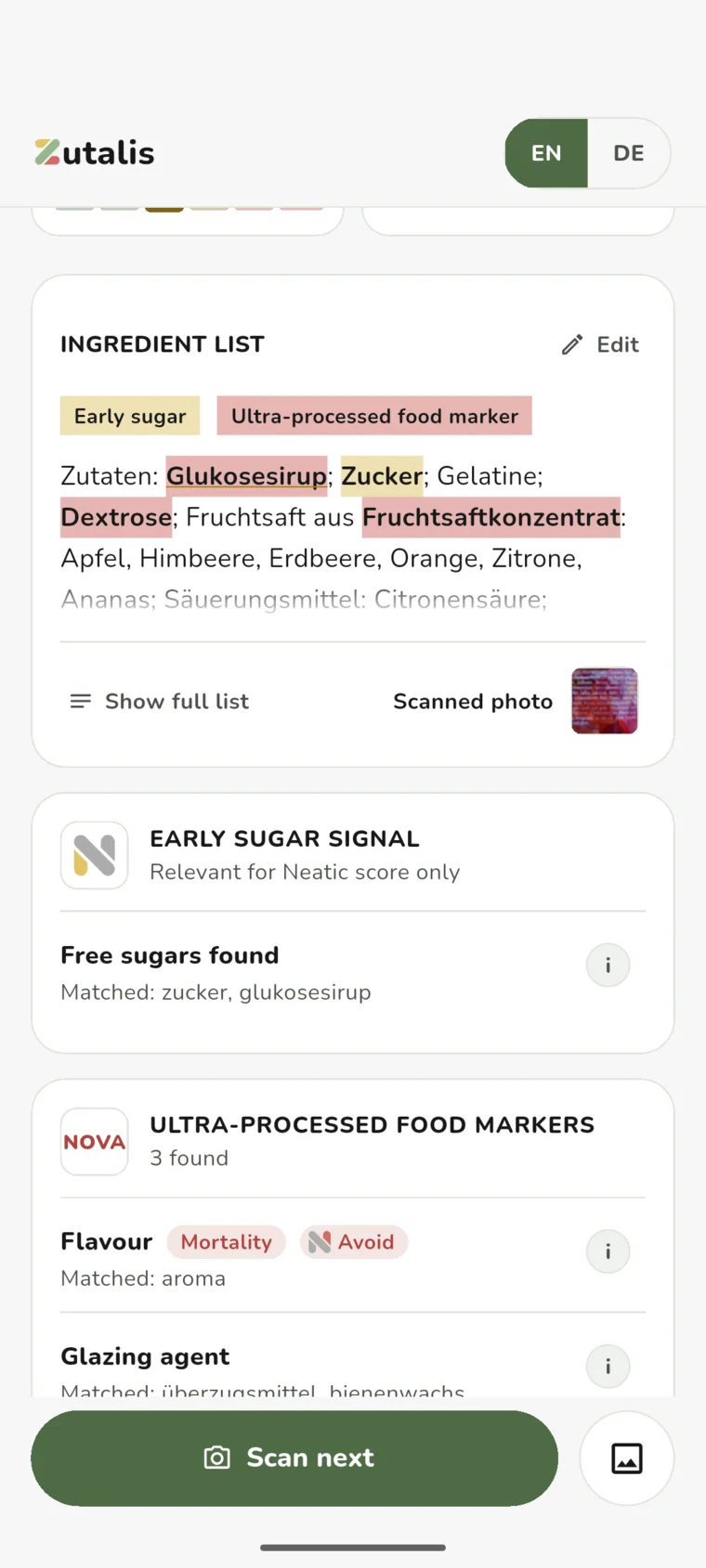
2Read on your phone
The text never leaves the device. Each marker is highlighted where it appears in the list.
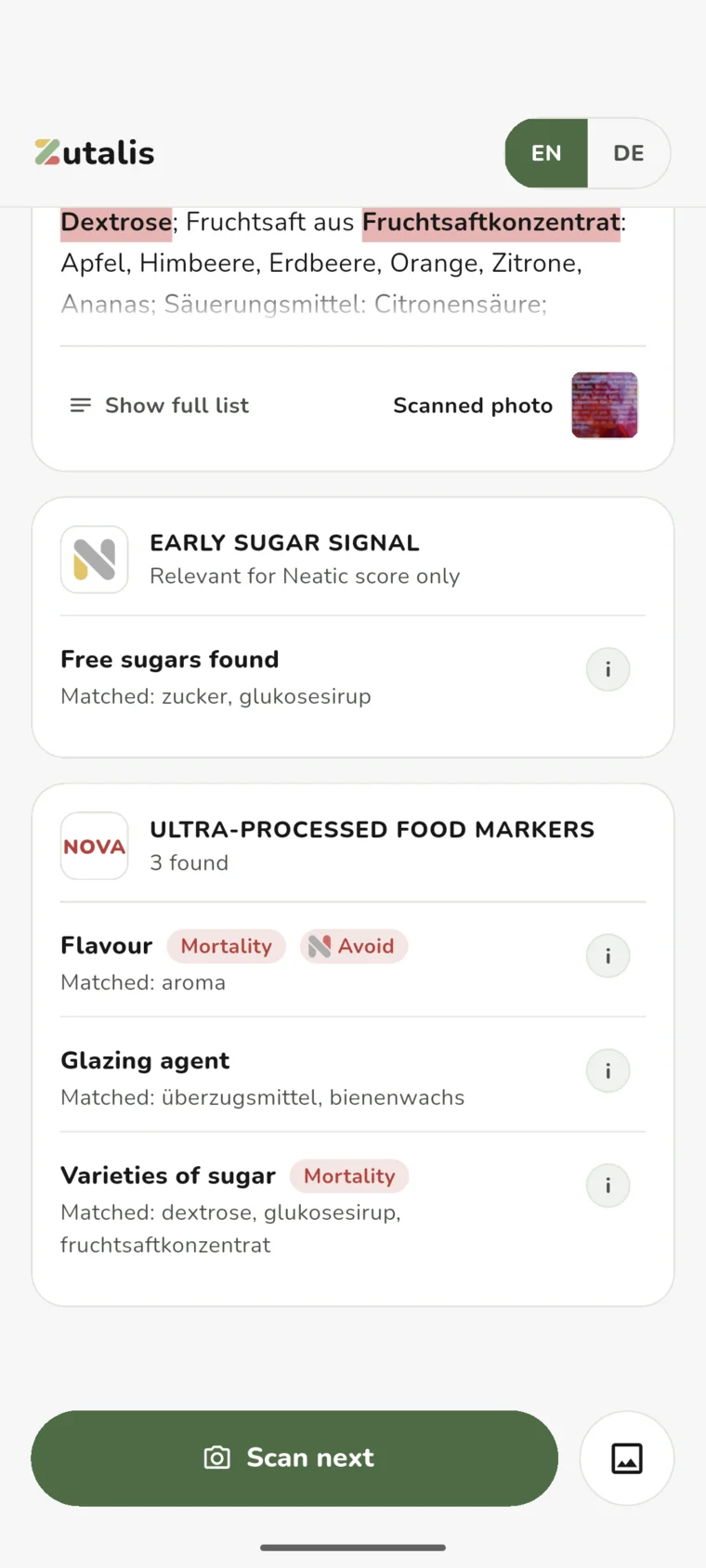
3See what pushed it up
Every marker shows the words that matched and whether it is linked to higher mortality.
What it looks for
Twenty kinds of ingredient you won’t find in a home kitchen, matched by name and E number in English and German.
It stays on your phone
Your photo and the ingredient text never leave the device. The only download is the marker list, which Neatic keeps up to date.
- Marker categories
- 20
- Languages
- English, German
- Works offline
- Yes
- Account needed
- None
Questions
How is the grade worked out?
Three things decide it: whether any marker of ultra-processed food is on the list, whether one of them is linked to higher mortality, and the Neatic score. Five or more markers, or a Neatic avoid, means E. No markers and no sugar up front means A.
What is the Neatic score?
Neatic’s traffic light. Flavourings or sweeteners anywhere make it avoid. Sugar, syrup or juice among the first three ingredients makes it limit. Otherwise it’s free.
Is this a nutrition score?
No. Zutalis ignores calories, fat and salt. It reads only the ingredient list and tells you how far the food is from something you could cook yourself.
What if the label is crumpled or shiny?
Zutalis warns you when a photo is blurry, dark or hit by glare. Retake it, adjust the frame, or fix the recognised text by hand.
From the Neatic blog
What is behind the markers, from the Neatic team.
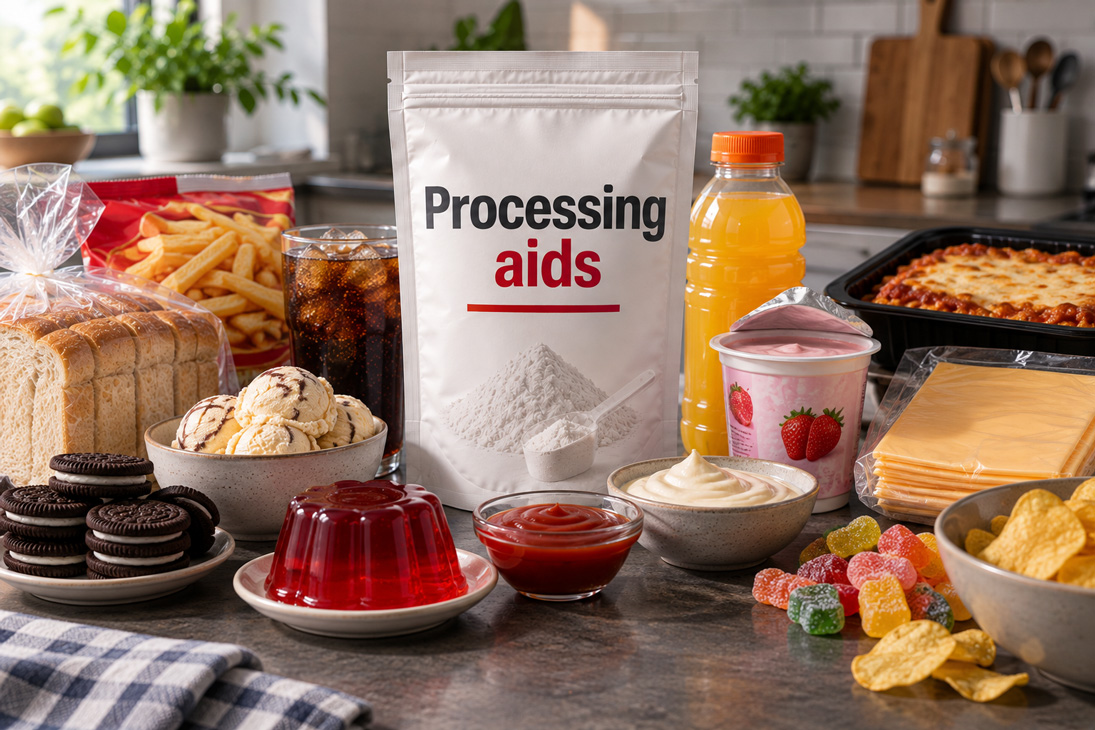
Processing aids
Processing aids comprise a heterogeneous group of substances added to foods primarily for technological purposes, for example to modify volume, texture, consistency, stability, appearance, or moisture content. They include anti-caking agents, bulking agents, carbonating agents, emulsifiers, firming agents, foaming agents, gelling agents, glazing agents, humectants, sequestrants, and thickeners.
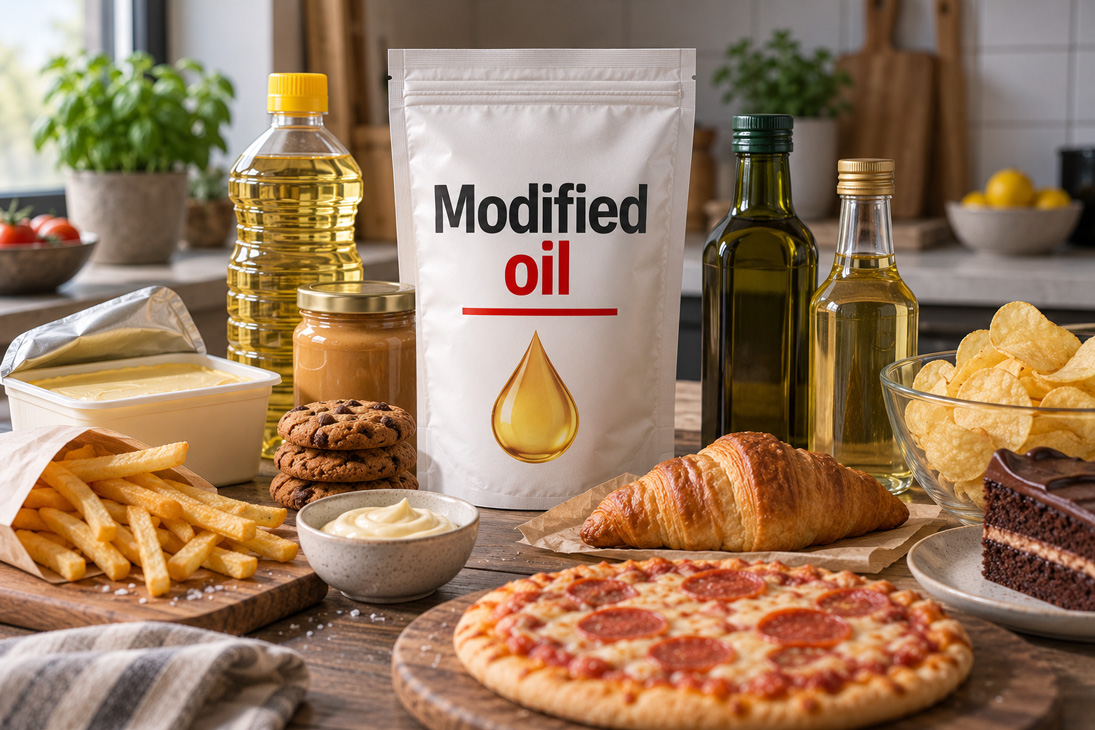
Modified oil
Modified oil is a natural oil that has been treated to change its physical or chemical properties. Common modifications include hydrogenation and interesterification which allow manufacturers to control characteristics such as melting behavior, texture, stability, and shelf life.
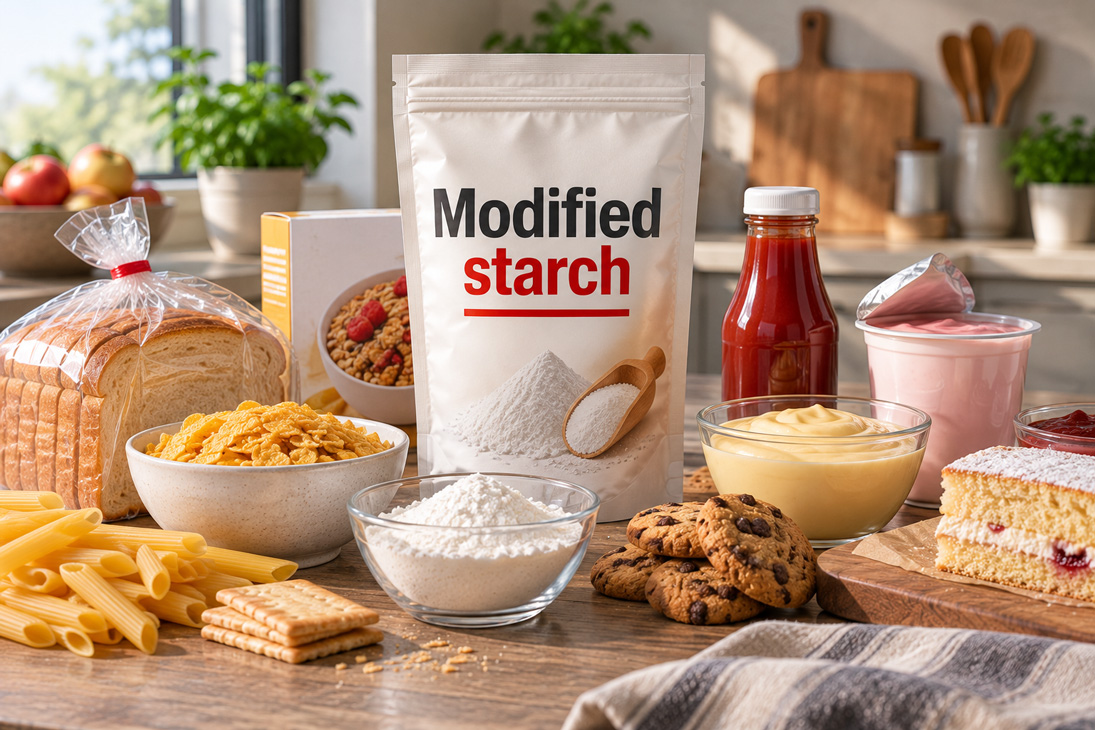
Modified starch
Modified starch is a natural starch that has been treated to change its physical or chemical properties. These modifications allow manufacturers to control characteristics such as stability, viscosity, texture, water-binding capacity, and processing characteristics.
Go flip a pack.
Zutalis is on iPhone and Android.